
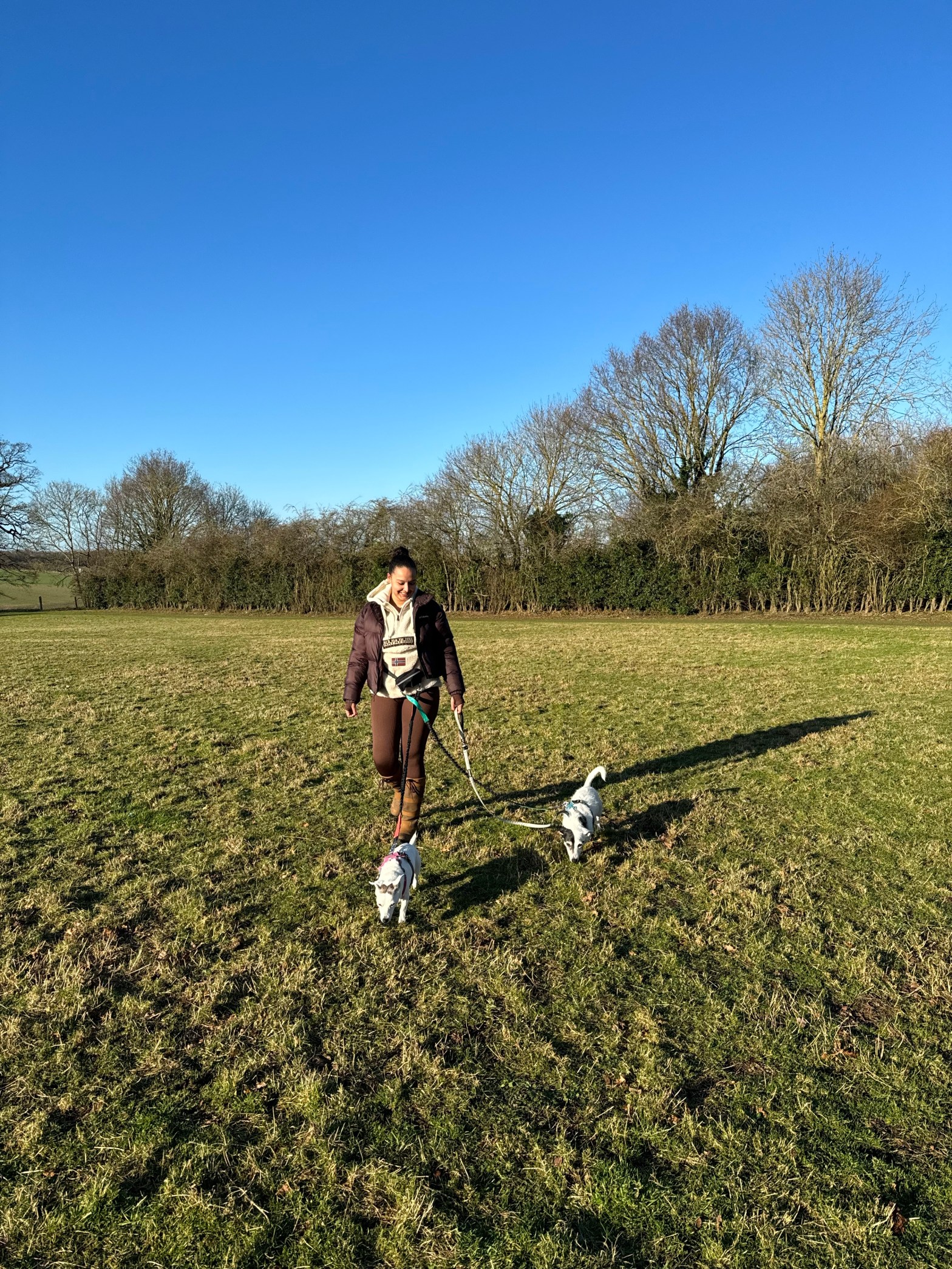
Embarking on a leisurely stroll with your furry friend can be a joyous experience, but encounters with other dogs can sometimes add a layer of unpredictability. Navigating canine interactions during walks requires a blend of understanding, preparation, and patience. In this guide, we’ll explore key aspects of managing dog encounters, ensuring that both you and your pup enjoy a positive and stress-free walking experience.
Know Your Dog’s Social Style: Before setting out on a walk, it’s essential to understand your dog’s social tendencies. Some dogs are naturally outgoing and love meeting new friends, while others may be more reserved or even reactive. Knowing your dog’s social style will help you anticipate their reactions and proactively manage interactions.
Leash Etiquette: Proper leash etiquette is fundamental when approaching other dogs. Keep your dog on a leash unless you’re in a designated off-leash area. This not only ensures the safety of both dogs but also allows you to maintain control over the situation. Avoid allowing the leashes to become tangled, as this can create tension and anxiety for both dogs.
Reading Body Language: Canine communication is predominantly non-verbal. Pay close attention to both your dog’s body language and that of the approaching dog. Signs of friendliness include loose, wagging tails and relaxed body postures, while signs of stress or aggression may include raised hackles, stiff bodies, and intense staring. If either dog appears uncomfortable, consider increasing the distance between them.
Ask for Consent: Not all dogs are social butterflies, and some may prefer to keep to themselves during walks. If you encounter another dog owner, ask for permission before allowing your dogs to interact. Some dogs may be in training or may not be comfortable with socialising, and respecting these boundaries is key to a positive encounter.
Positive Reinforcement: Reinforce positive behaviour during interactions with treats and praise. If both dogs exhibit calm and friendly behaviour, reward them for their good manners. This positive reinforcement helps create positive associations with meeting other dogs, making future encounters more enjoyable.
Be Prepared for Unpredictability: Dogs are individuals, and their reactions can be unpredictable. Always be prepared to take evasive action or redirect your dog’s attention if an interaction becomes tense. Carry treats, toys, or other distractions to redirect focus and diffuse potential conflicts.
Walking your dog should be an enjoyable experience for both you and your furry companion. By incorporating the techniques and tips above you can navigate dog interactions with confidence. Remember, each walk is an opportunity for positive socialization, contributing to your dog’s overall well-being and strengthening the bond between you and your canine companion.
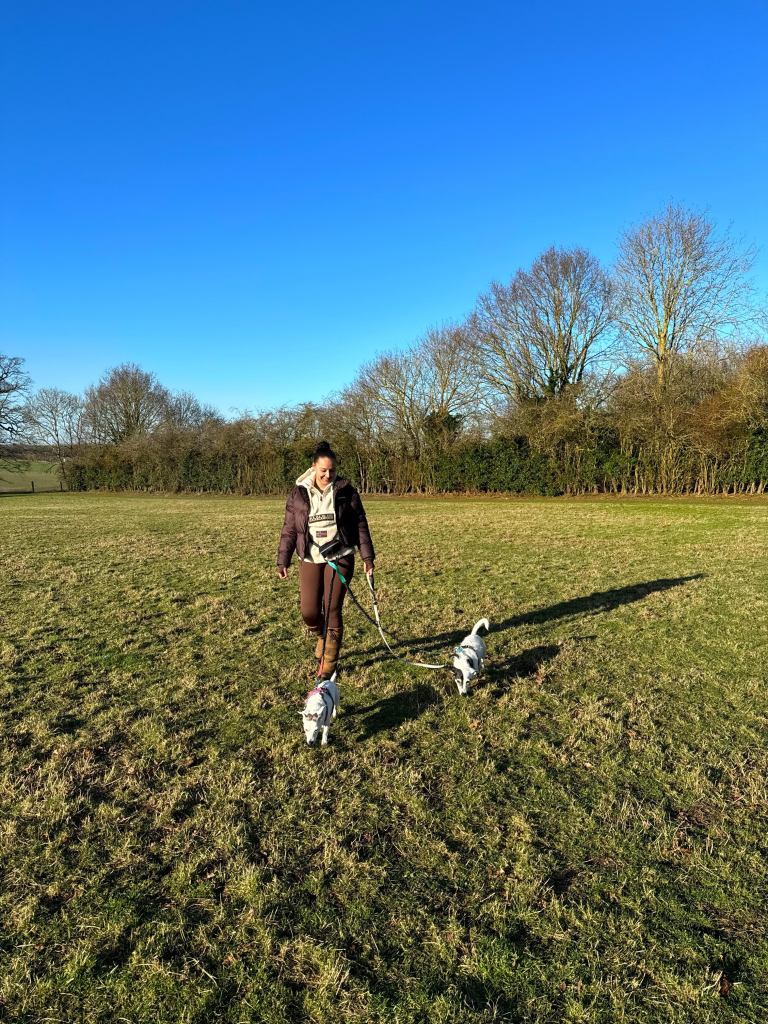
Tarni (Helping Hounds founder) with Millie & Max the Jack Russell Terriers.
 Helping Hounds