Communication between dogs is intricate, relying primarily on non-verbal cues that convey a wealth of information. As responsible pet owners or dog walkers, understanding and interpreting your dog’s body language is crucial for fostering a healthy and communicative relationship. In this blog post, we’ll delve into the fascinating world of canine body language, exploring the subtle signals that dogs use to express their emotions, needs, and intentions.
Tail Wagging: The classic tail wag is a universal sign of a dog’s mood. However, the speed, height, and direction of the wag provide additional context. A high, fast wag often indicates excitement or happiness, while a slow, low wag might signal submission or uncertainty.
Ears Speak Volumes: A dog’s ears are like expressive radar dishes. Erect ears denote alertness or curiosity, while flattened ears signal fear or submission. Pay attention to changes in ear position during interactions with other dogs or in different environments.
Eye Contact: Direct eye contact can convey various messages in the canine world. A relaxed gaze generally indicates trust and affection, while a prolonged, unwavering stare might be perceived as a challenge or threat. Be mindful of your dog’s comfort level with eye contact.
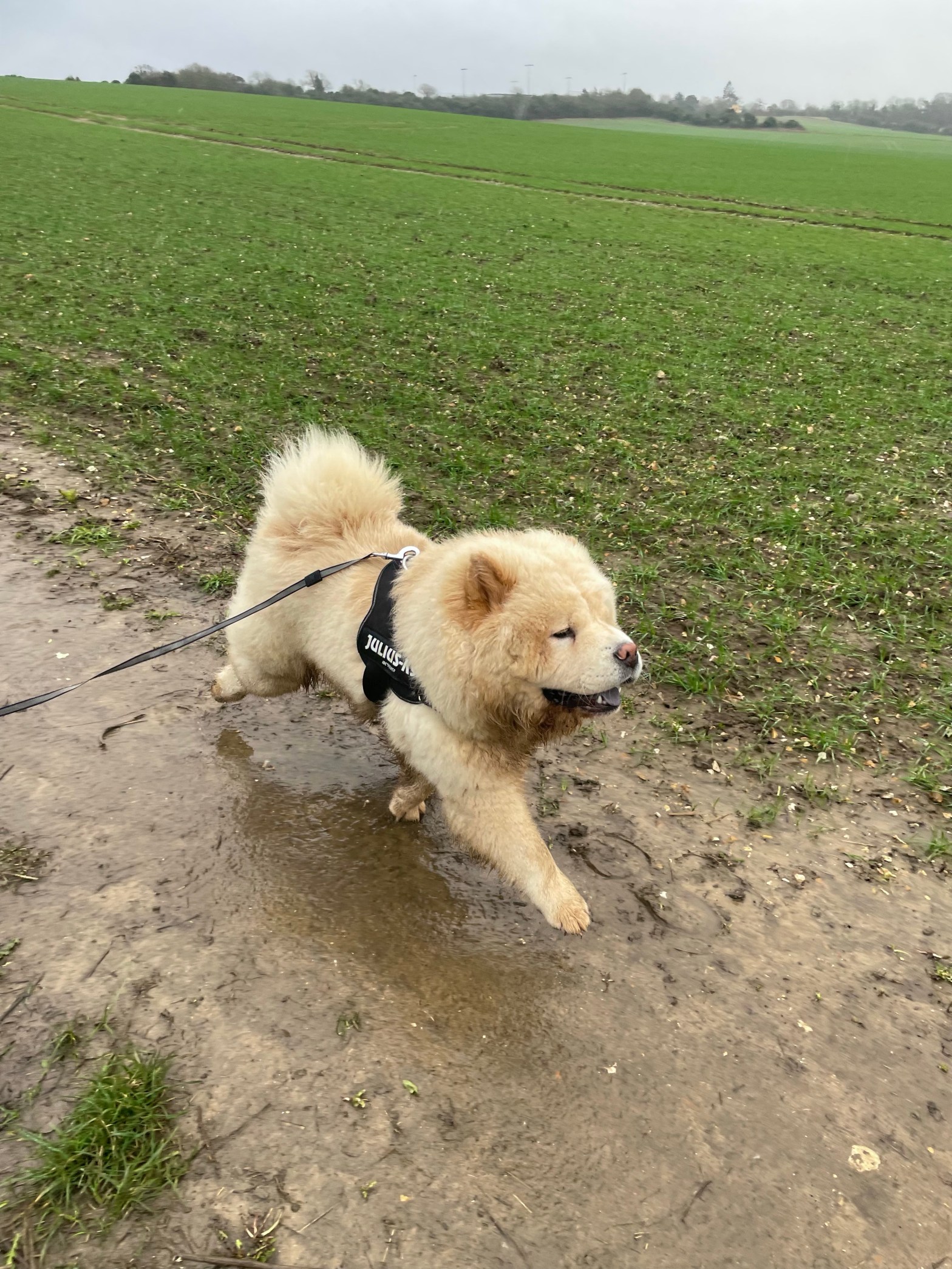
Mouth and Lips: A dog’s mouth can tell you a lot about their emotional state. When a dog is relaxed and happy they will express this with an open mouth and lolling tongue. Relaxed, open mouths signify contentment, while lip licking or a closed mouth may indicate stress or anxiety. Snarling or baring teeth is a clear sign of discomfort or aggression.
Body Posture: The overall posture of a dog provides significant insights into their mood. A confident dog stands tall with weight evenly distributed, while a submissive or fearful dog might crouch or lower their body. A stiff, tense body suggests discomfort or potential aggression. A great posture to witness from your dog before engaging in playtime with other dogs is the play bow. Dogs that want to play may stretch their front legs and lean down or onto their elbows, lowering their chest to the ground whilst keeping their rear end up. This posture has been nicknamed the ‘play bow’ and is sometimes accompanied with barks or grins, this is essentially a dogs way of expressing they just want to play or are only playing. The play bow serves as a key aspect of dog socialisation. This ritual helps dogs know there is no aggression in the ensuing actions.
Yawning and Scratching: Dogs often yawn or scratch when they are feeling stressed or uneasy. Pay attention to these subtle signals, especially in new or unfamiliar situations, as they can indicate that your dog is not entirely comfortable.
Paw Raises: Raising a paw can be a sign of uncertainty or a playful gesture. Dogs may lift a paw when they are unsure about a situation or as an invitation to play. Understanding the context is key to interpreting this subtle body language.
Hackles Raised: The hair along a dog’s back, known as hackles, can rise due to excitement, fear, or aggression. Raised hackles do not always indicate aggression; they can also occur when a dog is overly excited or stimulated. Again understanding the context is key to interpreting this kind of body language in your dog.
By honing your ability to interpret dog body language, you enhance your communication with your furry companion and create a more harmonious living environment. Paying attention to these nuanced cues allows you to respond appropriately to your dog’s needs and emotions, strengthening the bond between you and ensuring a happier, healthier relationship. So, the next time your dog “talks” to you through their body language, listen with a keen eye and an open heart.
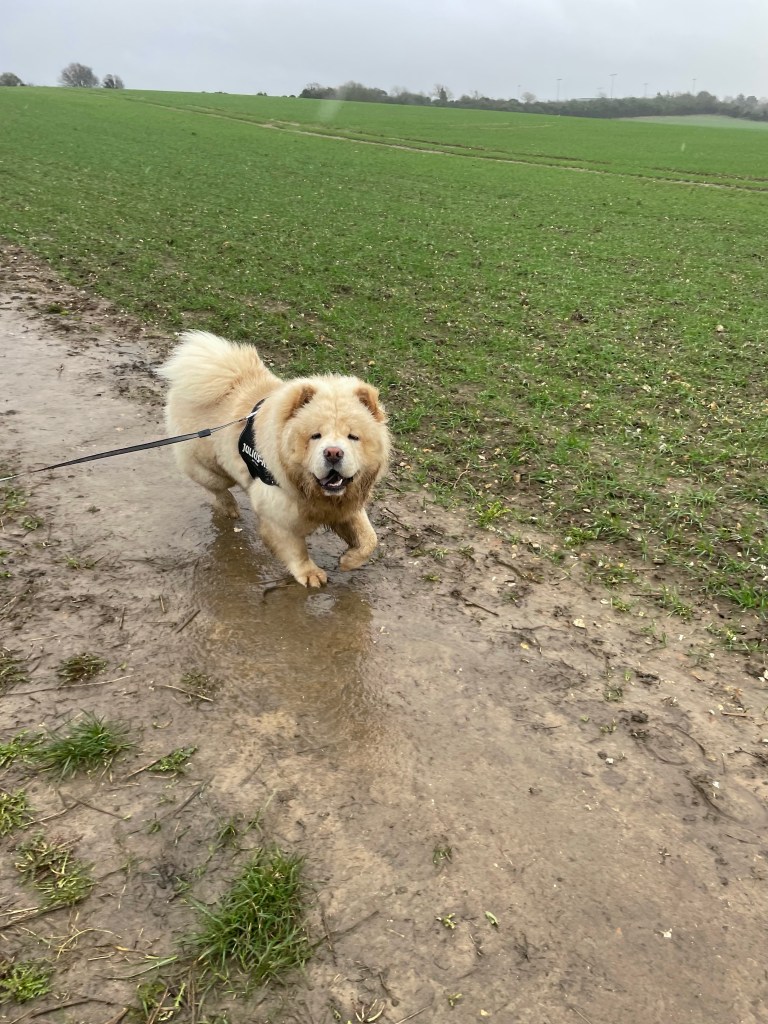
LJ the Chow Chow expressing happy body language. This is displayed through his relaxed body posture, smooth hair (no raised hackles), his open mouth with lolling tongue and ears in neutral position. Enjoying his stroll in Hitchin, Hertfordshire.
 Helping Hounds