
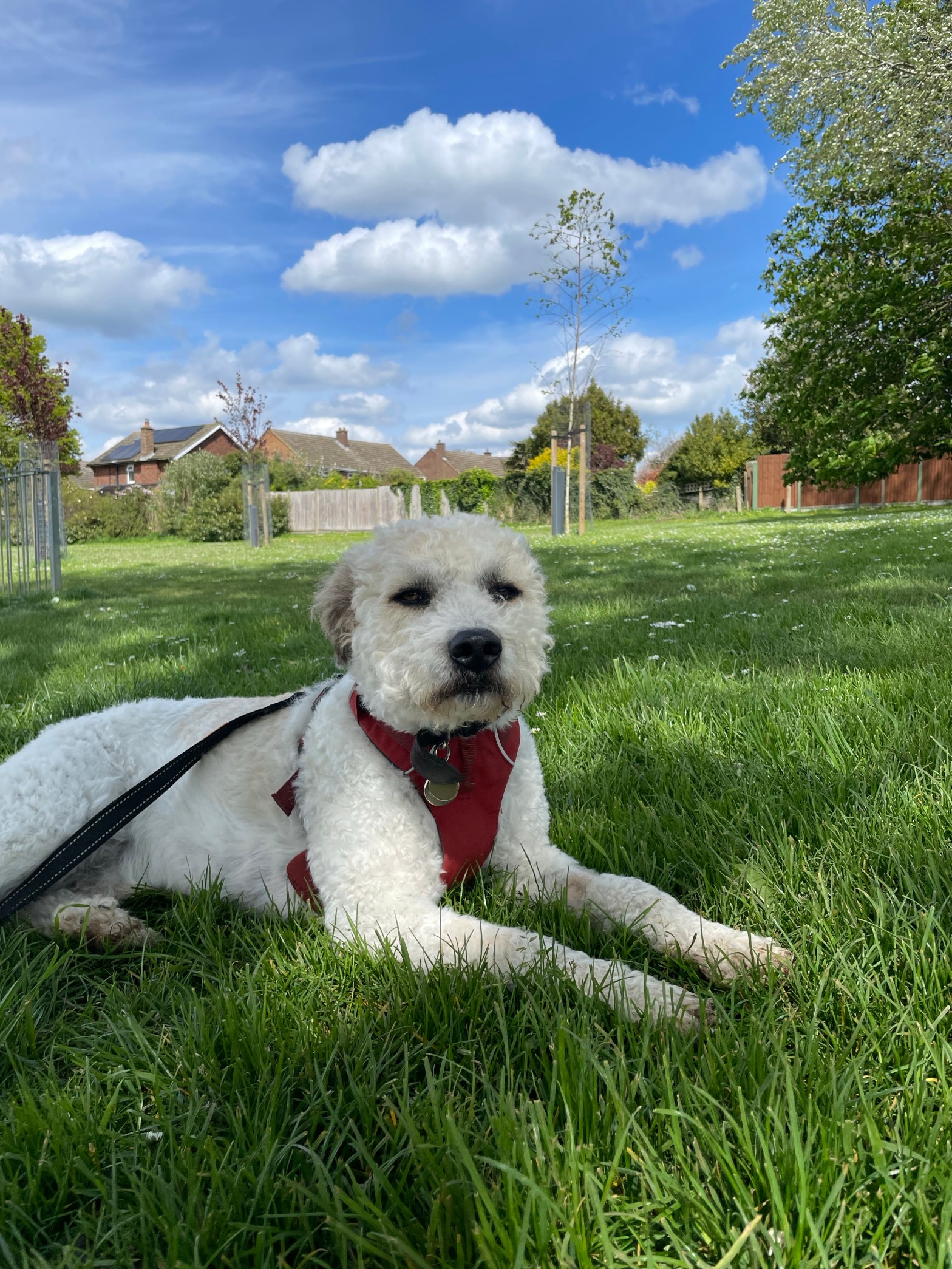
Picture this: You’re out for a leisurely stroll with your dog, the sun shining, birds chirping, and a gentle breeze rustling through the trees. Sounds idyllic, right? But then, reality hits. Your dog is pulling on the lead, darting from one scent to another, leaving you feeling more like a sled dog musher than a leisurely walker. It’s a scenario familiar to many dog owners, but fear not—there’s a solution: loose lead walking. Loose lead walking is when your dog walks on a slack or loose lead, which means there is no tension in the lead. Tension creates pressure which is applied to both you and your dog when they pull. It’s uncomfortable and potentially painful, particularly if you have a strong dog. In this blog post, we’ll explore why mastering the art of loose lead walking is so important for both you and your canine companion.
Safety First: Let’s start with the most crucial aspect—safety. When your dog pulls on the lead, it’s not only uncomfortable for you but also potentially dangerous. A dog that lunges or pulls unexpectedly can catch you off balance, leading to falls or even injuries. Plus, a taut lead increases the risk of neck strain or injury for your dog. Mastering loose lead walking ensures that both you and your furry friend can enjoy walks together safely.
Communication and Bonding: Loose lead walking isn’t just about physical safety—it’s also about communication and bonding. When your dog walks politely by your side, it’s a sign of trust and respect. It shows that your dog is attuned to your movements and is willing to follow your lead. This mutual understanding strengthens the bond between you and your dog, enhancing your relationship both on and off the lead.
Mental Stimulation: Believe it or not, loose lead walking can provide valuable mental stimulation for your dog. When walking politely by your side, your dog must focus on your movements and anticipate your next steps. This mental engagement is just as important as physical exercise and can help tire out even the most energetic pup. Plus, it’s a great way to channel excess energy and prevent boredom-related behaviours at home.
Positive Social Interactions: A dog that walks calmly on a loose lead is more likely to have positive social interactions with other dogs and people. When your dog isn’t pulling or lunging, it’s easier to navigate encounters with other pets and pedestrians, reducing the likelihood of lead reactivity or aggression. This sets the stage for enjoyable outings and reinforces your dog’s good manners in various social settings.
Enjoyment for All: Last but not least, mastering loose lead walking makes walks more enjoyable for both you and your dog. Instead of feeling like a battle of wills, walks become relaxed and pleasant experiences for both of you. You can focus on enjoying the scenery, bonding with your dog, and savoring the simple pleasure of being outdoors together.
To conclude, loose lead walking is more than just a training exercise and implemented technique—it’s a vital skill that enhances safety, communication, and enjoyment for both you and your dog. By mastering the art of walking politely on a loose lead, you can create a harmonious and rewarding walking experience that strengthens your bond and enriches your shared adventures. The next time you head out for a stroll with your dog, remember to keep it loose and enjoy the journey together!
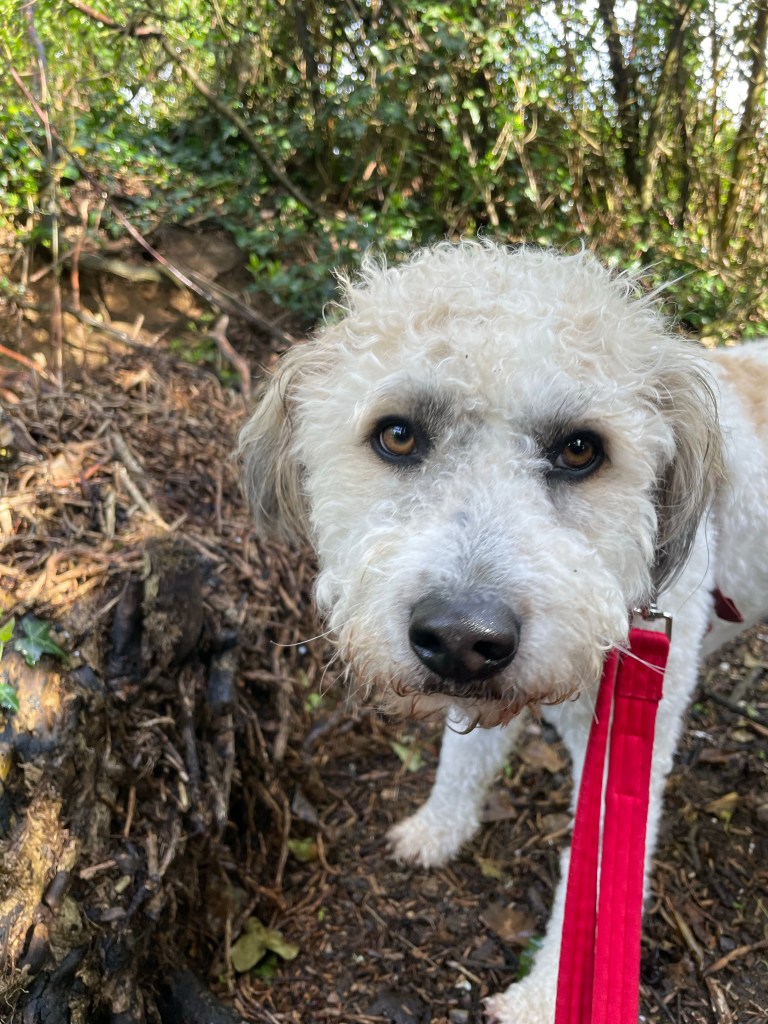
Paolo, Romanian mixed breed on his walk in Hitchin, Hertfordshire. Paolo does great loose lead walking with me on our walks, he walks politely by my side and keeps regularly checking in with me and focuses well on my movements! Check out his walking skills on our Instagram.
 Helping Hounds