
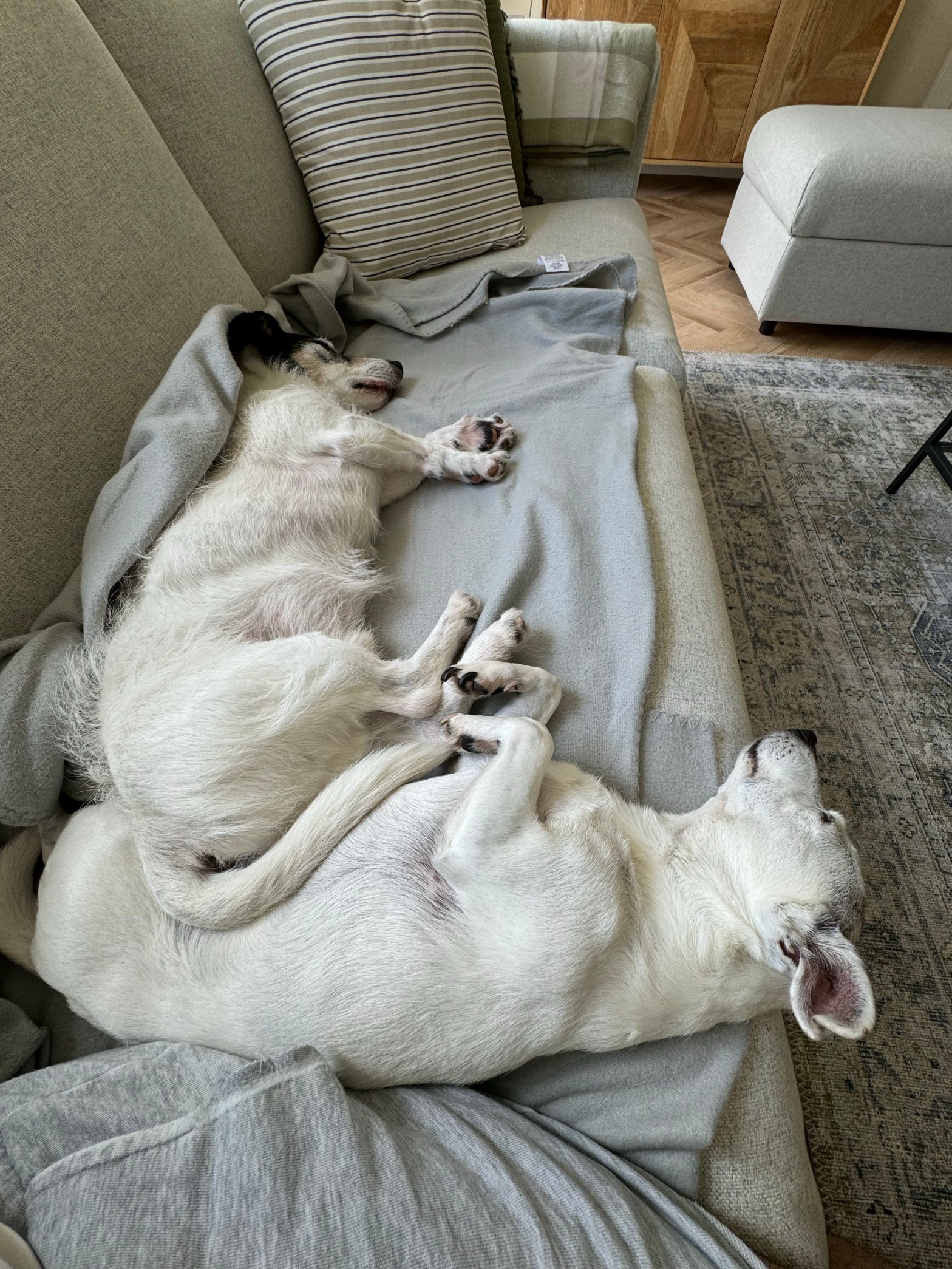
As our beloved hounds grow older, their needs change just like ours do. Senior dogs, typically those aged seven years and older, depending on the breed, require special care to ensure they continue to live happy, healthy, and comfortable lives. In this guide, we’ll explore essential aspects of senior dog care, from diet and exercise to health check-ups and creating a comfortable environment. My dogs Millie and Max turn 13 and 12 this year, as Jack Russell Terrier’s they are now considered senior dogs.
Regular Veterinary Check-Ups:
Senior dogs are more prone to health issues such as arthritis, dental disease, and heart conditions. Regular veterinary check-ups, ideally every six months, can help catch and manage these conditions early. Your vet may recommend blood tests, dental exams, and other diagnostics to keep an eye on your dog’s health.
Nutrition and Diet:
A balanced diet is crucial for senior dogs. Look for high-quality dog food formulated for senior pets, which typically contains fewer calories, more fiber, and additional nutrients to support joint health. Consult your vet about the best diet plan, considering your dog’s specific health needs.
Weight Management – Maintain a healthy weight to reduce strain on joints and minimize the risk of obesity-related conditions.
Supplements – Consider adding supplements such as glucosamine, chondroitin, and omega-3 fatty acids to support joint health and reduce inflammation.
Exercise and Mobility:
While senior dogs may not have the same energy levels as younger ones, regular, moderate exercise is still important.
Low-Impact Activities – Gentle walks, swimming, and light play can help maintain muscle tone and joint flexibility without overexertion.
Adjusting Exercise Routines – Pay attention to your dog’s cues and adjust exercise routines to prevent fatigue and discomfort.
Comfortable Living Environment:
Creating a comfortable living space can significantly improve your senior dog’s quality of life.
Orthopedic Beds – Provide an orthopedic bed to support aging joints and offer a comfortable place to rest.
Easy Access – Ensure food, water, and favorite resting spots are easily accessible. Consider using ramps or steps if your dog has difficulty climbing stairs or jumping onto furniture.
Temperature Control – Senior dogs can be more sensitive to temperature changes. Keep their environment comfortably warm in the winter and cool in the summer.
Dental Care:
Dental health is often overlooked but is essential for senior dogs. Poor dental hygiene can lead to painful conditions and infections that affect overall health.
Regular Brushing – Brush your dog’s teeth regularly with a canine toothbrush and toothpaste.
Professional Cleanings – Schedule professional dental cleanings as recommended by your vet.
Monitoring and Managing Health Issues:
Be vigilant for signs of common senior dog health issues.
Arthritis – Look for signs of stiffness, limping, or difficulty moving. Consult your vet about pain management options, including medications and physical therapy.
Cognitive Dysfunction – Watch for symptoms of canine cognitive dysfunction, such as disorientation, changes in sleep patterns, or altered interactions. There are medications and supplements that can help manage these symptoms.
Sensory Decline – Older dogs may experience vision or hearing loss. Ensure their safety by keeping their environment consistent and using verbal cues along with hand signals.
Mental Stimulation:
Keeping your senior dog mentally engaged is just as important as physical activity.
Puzzle Toys – Use puzzle toys and treat-dispensing toys to stimulate their mind.
Training and Socialisation – Continue to engage in gentle training sessions and socialisation activities to keep their brain active.
Grooming and Hygiene:
Regular grooming is essential for senior dogs as their skin and coat may become drier and more prone to matting.
Gentle Brushing – Brush your dog regularly to prevent tangles and check for skin issues.
Bathing – Bathe your dog as needed with a gentle, moisturising shampoo.
Nail Trimming – Keep nails trimmed to prevent overgrowth and discomfort.
Caring for a senior dog requires attention to their changing needs, but the love and companionship they offer in return are immeasurable. By focusing on their health, comfort, and happiness, you can help your senior dog enjoy their golden years to the fullest. Always consult with your veterinarian to tailor care specifically to your dog’s individual needs. This comprehensive guide should help you address the key aspects of senior dog care, ensuring they remain happy and healthy in their later years. Enjoy your hound’s senior years and cherish everyday.

My senior dogs, Millie turning 13 in July (bottom) and Max turning 12 in July.
 Helping Hounds