Explore our comprehensive dog walking blog, where we delve into the art and science of walking your canine companion. From seasonal tips to understanding your dog’s behaviour, we want to cover it all. Lace up those walking shoes, grab the leash, and embark on a journey of exploration and connection with man’s best friend!
Winter brings crisp air and scenic walks, but it also comes with unique challenges for dog owners. As temperatures drop, it’s essential to adapt your routine to keep your furry friend safe, comfortable, and active. Here’s how to make winter walks a delightful experience for you and your dog.
Protect Those Paws
Cold weather and icy pavements can be tough on your dog’s paws. Salt and de-icers used on roads can cause irritation or even harm if ingested during licking.
Tips:
• Use paw balm or wax to create a barrier before walks.
• Rinse or wipe your dog’s paws after each outing to remove salt or debris.
• Consider investing in dog booties for added protection, especially in snowy areas.
Stay Warm and Visible
Short-haired or small breeds are more susceptible to the cold. And with shorter daylight hours, visibility is key to safety.
• Dress for the Weather: Dog coats or sweaters can help keep your pup cozy.
• Reflective Gear: Use reflective leads, collars, or LED lights to ensure you and your dog are visible during evening walks.
Adjust the Routine
• On extremely cold days, opt for shorter but more frequent walks to avoid overexposure.
• Provide opportunities for indoor play to burn off energy, such as tug-of-war or hide-and-seek with treats.
Special Considerations for Senior Dogs
Cold weather can exacerbate joint pain or arthritis in older dogs.
Tips:
• Use a harness instead of a collar to reduce strain during walks.
• Warm up with light activity indoors before heading outside.
• Consider joint supplements like YuMove (consult your vet first).
Hydration and Nutrition
Just like in summer, staying hydrated is crucial in winter, as cold air can also lead to dehydration. Ensure your dog has access to fresh water and adjust their diet if they’re burning more calories to stay warm.
Winter walks can be an enjoyable adventure with a few precautions. By preparing for the season’s challenges, you’ll keep your dog happy, healthy, and eager to explore.
At Helping Hounds, we prioritise your pet’s well-being year-round. If you need extra support for walks this winter, let us help! Contact us to learn more about our services and join the pack.
Starting a business is no small feat, and the first six months have been a whirlwind of challenges, growth, and immense satisfaction. As the founder of Helping Hounds, a dog walking and pet sitting business that donates 15% of its profits to dog rescue, I’ve learned invaluable lessons and experienced the highs and lows of entrepreneurship. Here’s a glimpse into my journey.
The Beginning & Overcoming Challenges
The early days of Helping Hounds were tough. Building a business from the ground up requires determination, resilience, and an unwavering belief in your vision. I faced numerous hurdles, from financial risks to the sheer amount of work needed to establish a client base. There were moments of doubt and exhaustion, but giving up was never an option.
Building the Business and Client Base
Despite the initial struggles, I managed to build Helping Hounds into a thriving business, earning way over £2000 monthly within six months from dog walking alone. This success didn’t come easy; it was the result of tireless work and countless hours of dedication. So here’s how I built my client base:
Word of Mouth: One of the most effective strategies was encouraging my clients to recommend me to their friends and family. Personal referrals quickly became a significant source of new clients.
Top-Notch Care: Providing exceptional care for every pet was my top priority. This commitment led to glowing reviews and positive testimonials, which helped attract more clients.
Active Marketing: I consistently marketed Helping Hounds by distributing leaflets, posting on local Facebook groups, and advertising weekly. Staying visible in the community was crucial to building my client base.
Finding My Niche and Establishing My Brand: A key factor in my business’s growth was finding my niche and maintaining a clear, consistent brand aligned with my personality and values.
Distinct Identity: Helping Hounds isn’t just a dog walking service; it’s a business with a heart, donating 15% of profits to dog rescue. This aspect resonated with pet owners who wanted to support a business with a cause. A cause close to my heart that grew from the love I have for my two rescue dogs, Millie and Max.
Consistent Marketing: I made sure that all my marketing materials, from social media posts to flyers, reflected the core values of Helping Hounds. This consistency helped build trust and recognition in the community.
Balancing Work and Life: For the first three months, I prioritised work above all else. The long hours and relentless focus were necessary to get Helping Hounds off the ground. While this meant sacrificing personal time, my friends and family were incredibly understanding and supportive of me and my dreams. As the business stabilised, I found a better balance between work, home, and social life. It took time, but I learned how to manage my schedule more effectively, ensuring I could give my best to my clients without burning out. I do not regret those initial months of intense work because they laid the foundation for the success I’m enjoying now.
Looking Ahead
The first six months of running Helping Hounds have been a transformative journey. From overcoming initial challenges to building a loyal client base, every step has been a learning experience. The support from my clients, friends, and family has been invaluable, and their belief in me has fueled my determination.
As I look to the future, I’m excited to continue growing Helping Hounds, expanding our services, and contributing more to dog rescue efforts. The hard work is far from over, but the journey so far has shown me that with passion, perseverance, and a clear vision, anything is possible.
Thank you to everyone who has been part of Helping Hounds’ journey. Your support means the world, and I’m eager to see where the next six months will take us!
As our beloved hounds grow older, their needs change just like ours do. Senior dogs, typically those aged seven years and older, depending on the breed, require special care to ensure they continue to live happy, healthy, and comfortable lives. In this guide, we’ll explore essential aspects of senior dog care, from diet and exercise to health check-ups and creating a comfortable environment. My dogs Millie and Max turn 13 and 12 this year, as Jack Russell Terrier’s they are now considered senior dogs.
Regular Veterinary Check-Ups:
Senior dogs are more prone to health issues such as arthritis, dental disease, and heart conditions. Regular veterinary check-ups, ideally every six months, can help catch and manage these conditions early. Your vet may recommend blood tests, dental exams, and other diagnostics to keep an eye on your dog’s health.
Nutrition and Diet:
A balanced diet is crucial for senior dogs. Look for high-quality dog food formulated for senior pets, which typically contains fewer calories, more fiber, and additional nutrients to support joint health. Consult your vet about the best diet plan, considering your dog’s specific health needs.
Weight Management – Maintain a healthy weight to reduce strain on joints and minimize the risk of obesity-related conditions.
Supplements – Consider adding supplements such as glucosamine, chondroitin, and omega-3 fatty acids to support joint health and reduce inflammation.
Exercise and Mobility:
While senior dogs may not have the same energy levels as younger ones, regular, moderate exercise is still important.
Low-Impact Activities – Gentle walks, swimming, and light play can help maintain muscle tone and joint flexibility without overexertion.
Adjusting Exercise Routines – Pay attention to your dog’s cues and adjust exercise routines to prevent fatigue and discomfort.
Comfortable Living Environment:
Creating a comfortable living space can significantly improve your senior dog’s quality of life.
Orthopedic Beds – Provide an orthopedic bed to support aging joints and offer a comfortable place to rest.
Easy Access – Ensure food, water, and favorite resting spots are easily accessible. Consider using ramps or steps if your dog has difficulty climbing stairs or jumping onto furniture.
Temperature Control – Senior dogs can be more sensitive to temperature changes. Keep their environment comfortably warm in the winter and cool in the summer.
Dental Care:
Dental health is often overlooked but is essential for senior dogs. Poor dental hygiene can lead to painful conditions and infections that affect overall health.
Regular Brushing – Brush your dog’s teeth regularly with a canine toothbrush and toothpaste.
Professional Cleanings – Schedule professional dental cleanings as recommended by your vet.
Monitoring and Managing Health Issues:
Be vigilant for signs of common senior dog health issues.
Arthritis – Look for signs of stiffness, limping, or difficulty moving. Consult your vet about pain management options, including medications and physical therapy.
Cognitive Dysfunction – Watch for symptoms of canine cognitive dysfunction, such as disorientation, changes in sleep patterns, or altered interactions. There are medications and supplements that can help manage these symptoms.
Sensory Decline – Older dogs may experience vision or hearing loss. Ensure their safety by keeping their environment consistent and using verbal cues along with hand signals.
Mental Stimulation:
Keeping your senior dog mentally engaged is just as important as physical activity.
Puzzle Toys – Use puzzle toys and treat-dispensing toys to stimulate their mind.
Training and Socialisation – Continue to engage in gentle training sessions and socialisation activities to keep their brain active.
Grooming and Hygiene:
Regular grooming is essential for senior dogs as their skin and coat may become drier and more prone to matting.
Gentle Brushing – Brush your dog regularly to prevent tangles and check for skin issues.
Bathing – Bathe your dog as needed with a gentle, moisturising shampoo.
Nail Trimming – Keep nails trimmed to prevent overgrowth and discomfort.
Caring for a senior dog requires attention to their changing needs, but the love and companionship they offer in return are immeasurable. By focusing on their health, comfort, and happiness, you can help your senior dog enjoy their golden years to the fullest. Always consult with your veterinarian to tailor care specifically to your dog’s individual needs. This comprehensive guide should help you address the key aspects of senior dog care, ensuring they remain happy and healthy in their later years. Enjoy your hound’s senior years and cherish everyday.
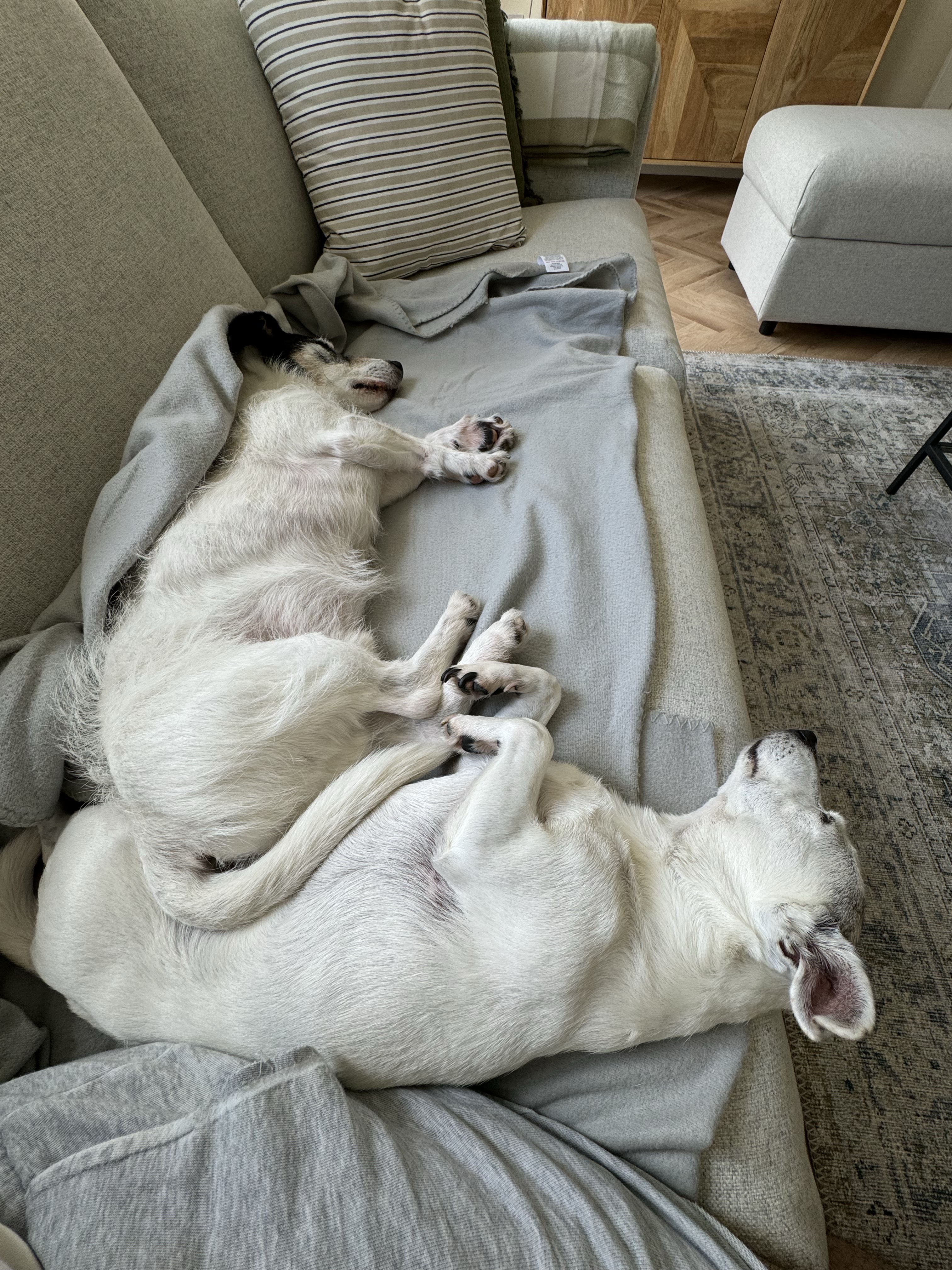
My senior dogs, Millie turning 13 in July (bottom) and Max turning 12 in July.
Dogs thrive not just on our companionship but also on the company of their fellow canines. Socialisation and making friends is beneficial for a dog’s overall well-being, much like it is for humans. So let’s delve into why socialisation is so important for our hounds.
Mental Stimulation: Dogs are intelligent animals that need regular mental engagement to stay happy and healthy. Social interactions with other dogs provide varied and stimulating experiences that challenge their minds. When dogs play together, they engage in behaviours that test their problem-solving skills and adaptability, preventing boredom and reducing the likelihood of destructive behaviours at home.
Physical Exercise: Playing with other dogs is one of the best forms of exercise. Running, chasing, wrestling, and other forms of play help keep dogs fit. Regular physical activity through social play helps in maintaining a healthy weight, reducing the risk of obesity-related issues and promoting overall physical health.
Learning Social Cues: Just like humans, dogs need to learn how to interact appropriately with others. Through regular socialisation, dogs can learn essential social cues and manners. They understand when a playmate is not interested in playing, how to greet others appropriately, and how to respect boundaries. These lessons can be crucial for preventing aggressive behaviours and ensuring safe interactions with other dogs and humans.
Emotional Well-Being: Dogs are social animals by nature. Regular interaction with other dogs can help alleviate feelings of loneliness and separation anxiety. Having friends and engaging in social activities can make a dog feel more secure and content. The emotional benefits of having companions can lead to a happier, more well-adjusted dog.
Improved Behaviour: Dogs that are well-socialised in the right way tend to have better overall behaviour. They are usually more confident, less fearful, and less likely to react aggressively in new situations. Socialisation done right helps dogs become well-rounded individuals who can handle the stresses and surprises of daily life with greater ease.
Building Confidence: Interacting with different dogs and experiencing varied environments help build a dog’s confidence. A confident dog is less likely to be fearful of new experiences, which can make visits to the vet, traveling, and meeting new people less stressful for both the dog and the owner.
Strengthening the Human-Dog Bond: When dogs are well-socialised and emotionally stable, they can focus more on building a strong bond with their owners. A happy dog is more likely to be attentive, responsive, and affectionate. This deepens the connection between you and your hound, enhancing the joy and companionship both of you experience.
Okay, so those are the benefits, but here’s how you can socialise your dog in an appropriate way. While socialisation is beneficial, it’s important to do it correctly to avoid the development of behavioural issues. Here’s how to aid in ensuring your dog’s socialisation is positive and effective.
Start Early (if you can): Begin socialising your dog at a young age. Puppies are generally more adaptable and open to new experiences. Enroll them in puppy classes where they can interact with other young dogs in a controlled and supervised environment.
Use Gradual Introductions (essential!!): Introduce your dog to new environments, people, and other dogs gradually. Avoid overwhelming them with too many new experiences at once. Start with quiet, controlled settings and gradually increase the level of activity and the number of new elements.
Positive Reinforcement: Use positive reinforcement techniques to reward good behaviour during social interactions. Treats, praise, and affection can help your dog associate socialising with positive outcomes. Avoid punishment, as it can create negative associations and increase anxiety.
Watch for Stress Signals (crucial): Pay attention to your dog’s body language and behaviour. Signs of stress or fear, such as trembling, hiding, or excessive barking, indicate that your dog may need a break. Respect their limits and provide a safe space for them to retreat to if they feel overwhelmed. Ps. There’s more about decoding dog body language on our blog.
Supervised Play: Ensure that play sessions with other dogs are supervised. Intervene if play becomes too rough or if there are signs of aggression. Teaching your dog how to play nicely with others helps prevent the development of aggressive behaviours.
Variety is Key (in some ways): Expose your dog to a variety of experiences, including different people, places, and dogs, but try not to change all these things at once to begin with. Allow these experiences to be exciting, without being massively overwhelming to your dog. This helps them become well-rounded and adaptable in the future, when they get used to variety in small increments at first. Always ensure these experiences are positive and controlled to prevent fear or aggression.
Professional Guidance: If you’re unsure about how to properly socialise your dog or if your dog shows signs of fear or aggression, seek professional help. A certified dog trainer or a behaviourist can provide guidance and support tailored to your dog’s specific needs.
Socialisation shouldn’t just be a luxury for dogs; it should be a necessity. Give your dog the opportunity to interact with other dogs and form friendships. It contributes significantly to their physical, mental, and emotional health, leading to a happier and more harmonious life for you and your hound. By socialising your dog in the right way, you can help them develop into a confident, well-behaved, and happy companion. So, let your dog mingle, play and enjoy the company of their friends. Book them into group walks with a dog walker or meet up with a fellow dog owner for a play date, it’s one of the best gifts you can give them.
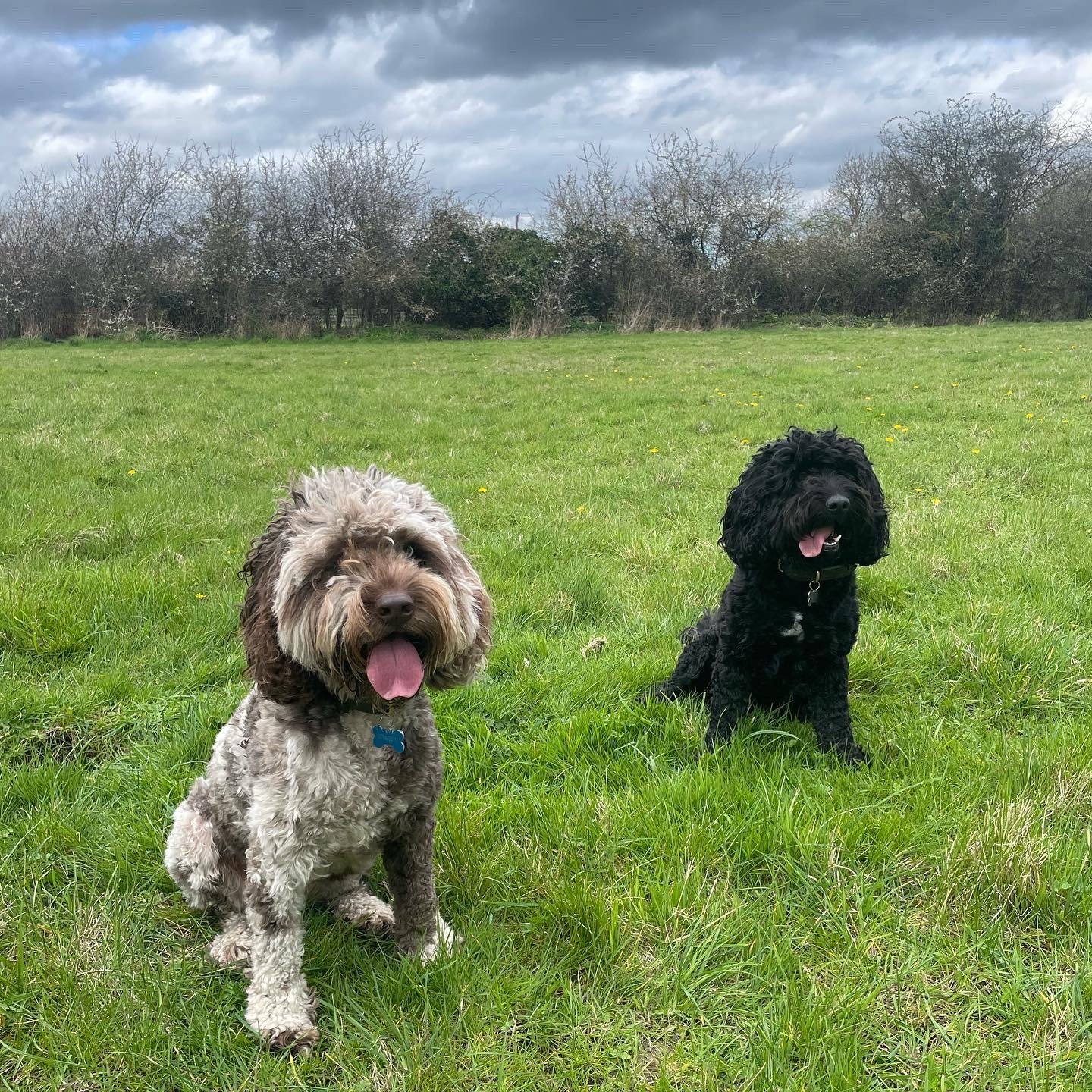
Harley & Jess the Labradors and Benji the Cavapoo are always so happy to see each other when they get together bi-weekly for their group walk. They are all from one dog households, so get to enjoy the companionship of other dogs on their walks with us regularly.
In a world often marked by hustle and bustle, there’s a beacon of hope and compassion shining through—Helping Hounds. Founded with a heartfelt mission to support dog rescues, this business isn’t just about profits; it’s about making a tangible difference in the lives of dogs.
The journey began with a simple yet profound experience. In 2011 and 2012, my family and I welcomed two rescue dogs into our lives: Millie and Max. These two dogs weren’t just pets; they were beacons of joy, love, and resilience. Their wagging tails and unwavering loyalty illuminated our days, teaching us the true meaning of unconditional love.
But our story isn’t unique. Countless dogs around the world yearn for love, care, and a forever home. That’s where Helping Hounds steps in. With a commitment to giving back, we donate 15% of our profits to animal rescue charities every month. Our mission was motivated by not just our dogs, but the other individuals in the animal industry who contribute to the movement, whether through their time, money, or support. It’s not just about donating at Helping Hounds; it’s about actively supporting organisations on the front lines, working tirelessly to rescue, rehabilitate, and rehome dogs in need.
Why is our mission so important? It’s about more than just saving lives, although that’s undoubtedly crucial. It’s about fostering a culture of empathy, compassion, and responsibility. By supporting dog rescues, we’re sending a powerful message: every life matters, regardless of species or circumstance.
The impact goes beyond the dogs themselves. Research consistently shows the profound benefits of pet ownership on human well-being. From reducing stress and loneliness to promoting physical activity and social interaction, the bond between humans and dogs is truly transformative. By facilitating adoptions and promoting responsible pet ownership, we’re not just changing the lives of dogs; we’re enriching the lives of families and communities.
But our work is far from done. Despite strides in animal welfare, countless dogs still languish in shelters, longing for a chance at a better life. That’s why your support is crucial. Whether you’re purchasing our services, spreading awareness on social media, or working with us, every action makes a difference.
At Helping Hounds, we believe in the power of small gestures to create big change. Together, we can rewrite the narrative for dogs in need, one wagging tail at a time. Join us in our mission to make the world a better place for all creatures, great and small. Because when we come together, anything is possible.
So, why is our mission so important? Because every dog deserves a chance to experience the love, joy, and security that Millie and Max do. And with your help, we can make that vision a reality. It’s all about Hounds helping Hounds!
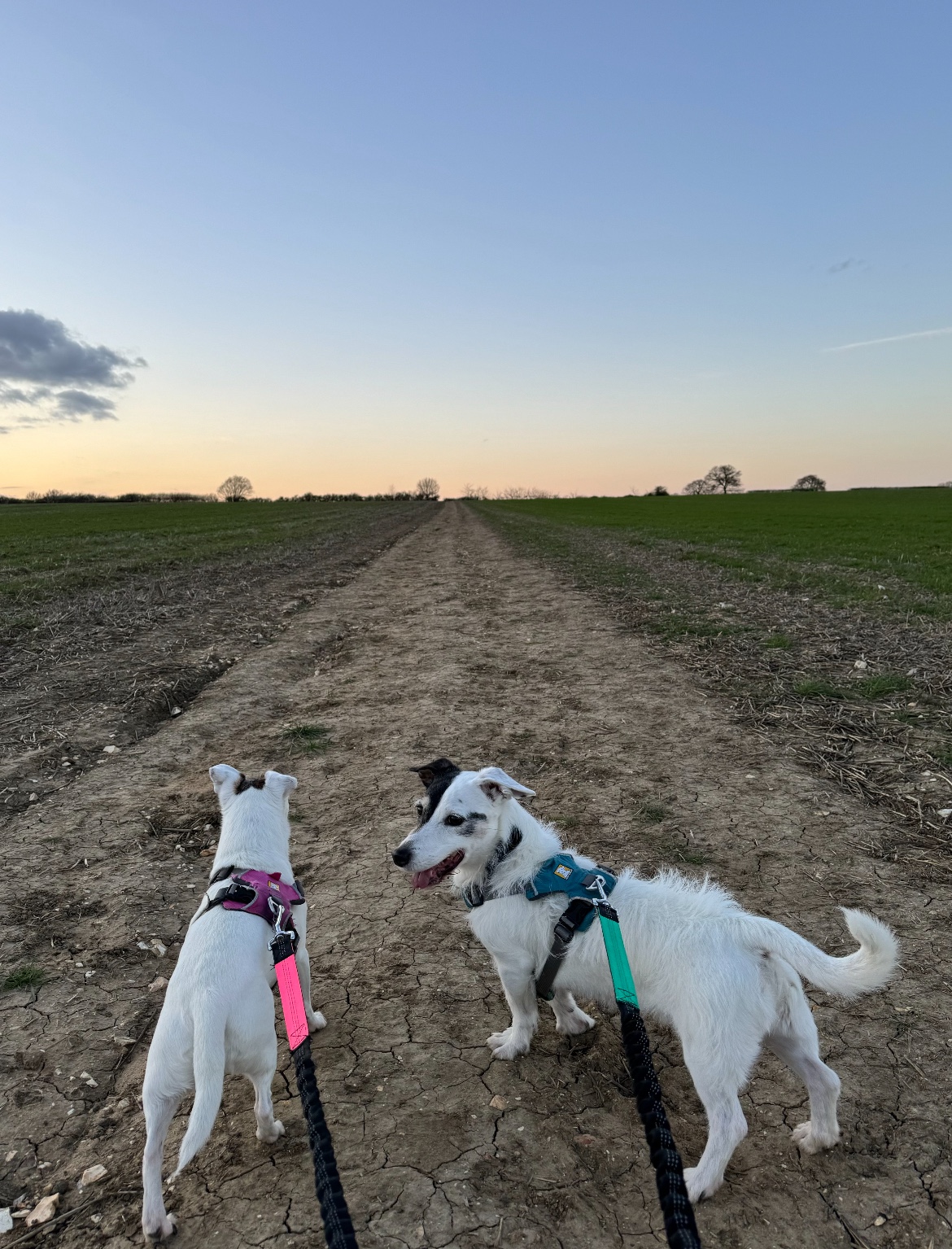
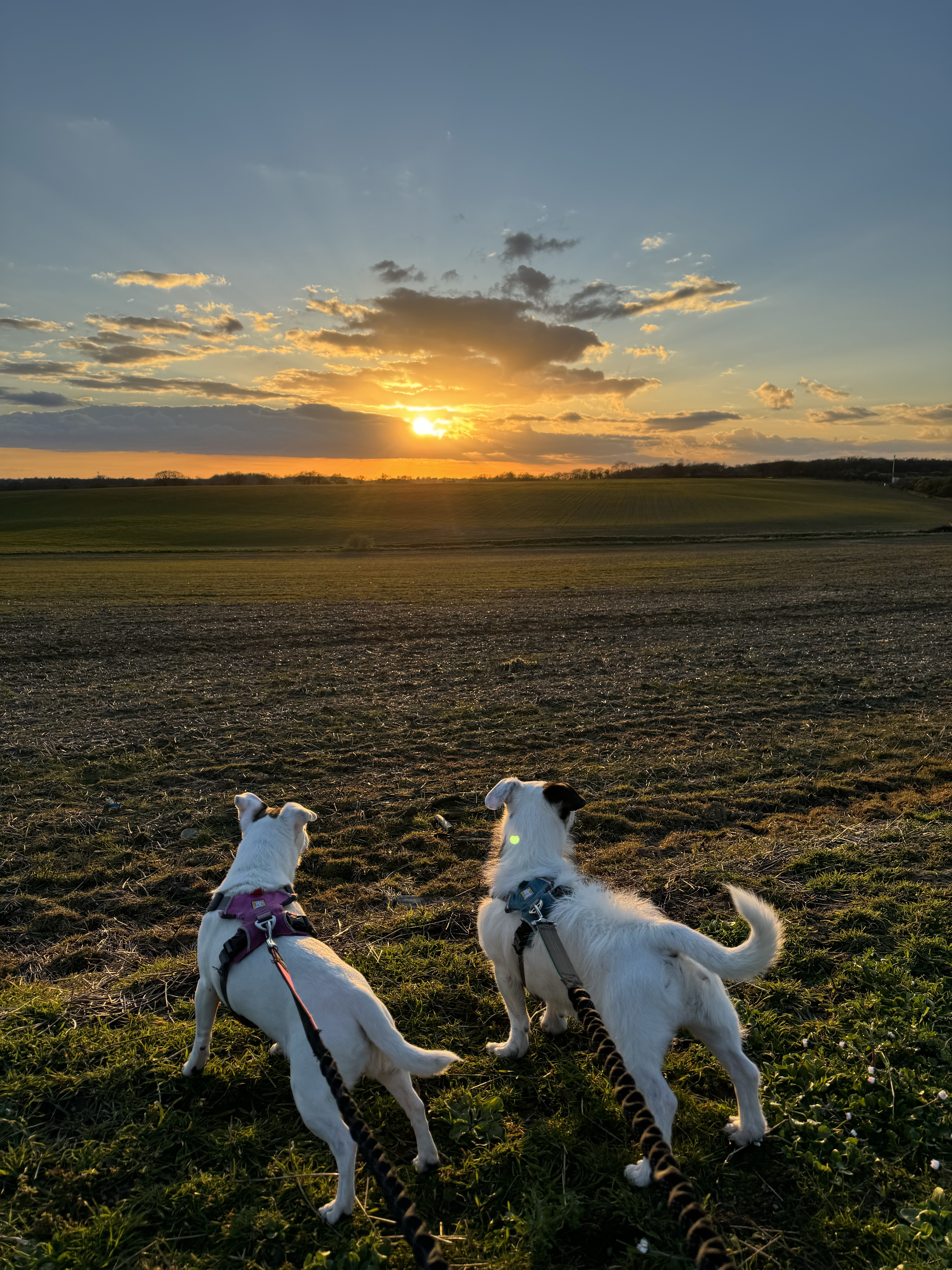
Millie (left) and Max (right), on a walk in Suffolk.
As the temperature rises, it’s important for dog owners to take extra precautions when walking their furry companions. Warmer weather can pose various risks to dogs, including dehydration, heatstroke, and burnt paw pads. To ensure a safe and enjoyable walking experience for both you and your pet, here are some essential safety tips to keep in mind, written by a professional dog walker!
Hydration: One of the most crucial aspects of walking dogs in warmer weather is ensuring they stay hydrated. Always bring water for your dog and offer frequent breaks for drinking to prevent dehydration.
Time of Day: Avoid walking during the hottest parts of the day, typically midday. Instead, opt for early mornings or evenings when temperatures are cooler and pavement is less likely to burn your dog’s paw pads.
Paw Protection: Hot pavement can cause painful burns on your dog’s paw pads. Stick to shaded areas or grassy paths whenever possible, and consider using dog booties for added protection if you can only provide pavement walks.
Heatstroke Awareness: Be vigilant for signs of heatstroke in your dog, including excessive panting, drooling, weakness, and vomiting. If you notice any symptoms, seek shade immediately and provide lots of water. Contact a veterinarian immediately if symptoms persist as heatstroke can be deadly for dogs!
Limit Exercise Intensity: During hot weather, reduce the intensity and duration of exercise to prevent overheating. Shorter, more frequent walks are preferable to one long walk.
Shade and Rest Breaks: Take regular breaks in shaded areas during the walk to allow your dog to cool down. Avoid overexertion and provide plenty of opportunities for rest.
Sun Protection: Dogs with light-colored or short fur are more susceptible to sunburn. Apply pet-safe suncream to exposed areas, such as the nose and ears, especially for breeds with thin fur.
Know Your Dog’s Limits: Every dog is unique, so pay attention to your dog’s behaviour and adjust your walking routine accordingly. Some breeds are more sensitive to heat, so be extra cautious with them.
By following these safety tips, you can ensure that your dog stays safe and comfortable during walks in warmer weather. Remember to prioritise hydration, avoid hot surfaces, and be aware of signs of heatstroke. With proper precautions, you and your hound can enjoy the outdoors safely all season long.
Cooper & Harley enjoying a cooling water break on their walk. A dip in some water is a great way for dogs to cool off on warm days walk.
As a dog walker, I have the privilege of witnessing firsthand the beautiful bond that exists between dogs and humans. Each day, as I embark on walks with my furry clients, I am reminded of the unique connection that dogs share with their human companions. In this blog post, I offer insights from my perspective as a dog walker, exploring the nuances of this extraordinary relationship.
Mutual Affection: For dogs, every walk is an adventure—a chance to explore new sights, smells, and sensations alongside their human counterpart. As a dog walker, I see the excitement in their eyes as they eagerly sniff the air, chase after squirrels, and bound through the grass. These moments of shared exploration strengthen the bond between dog and walker or owner, creating cherished memories and forging lifelong connections.
Trust and Dependence: Trust is essential on our walks. Dogs rely on their owners—and by extension, on me as their walker—for guidance, safety, and companionship. Through consistent routines, clear communication, and positive reinforcement, trust is built between dog and walker, allowing for harmonious and enjoyable walks together.
Companionship and Connection: As a dog walker, I have the privilege of witnessing the profound companionship that exists between dogs and their humans. Whether it’s the joyous greetings at the start of each walk, the playful romps in the fields, or the quiet moments of reflection by the riverside, the bond between dog and owner is palpable and heartwarming. Dogs offer unwavering loyalty, unconditional love, and non-judgmental companionship, enriching the lives of their human counterparts in ways that words cannot fully express.
One of the most remarkable aspects of my job as a dog walker is witnessing the emotional support that dogs provide to their human companions. Dogs have an innate ability to sense and respond to human emotions, offering comfort, solace, and understanding during times of stress, sadness, or uncertainty. Whether it’s a sympathetic nuzzle, a reassuring paw, or a soulful gaze, dogs have an uncanny knack for lifting our spirits and soothing our souls.
The bond between dogs and humans is a truly special and remarkable phenomenon—one that I have the privilege of witnessing and nurturing every day as a dog walker. From the thrill of shared adventures to the comfort of quiet companionship, dogs enrich our lives in countless ways, reminding us of the profound power of love and affection, trust, and connection. As I continue on my journey as a dog walker, I am grateful for the opportunity to be a part of this extraordinary bond, and I am inspired by the enduring resilience and beauty of the human-canine relationship.
Willow (left) and Louis (right) the Cockapoos enjoying their playtime in the field. I’ve known these two since they were tiny pups and the bond I’ve made with them over the years is truly incomparable.
In a world where countless dogs are in need of loving homes, the choice to adopt rather than shop for a dog holds immense significance. While it may be tempting to seek out a specific breed or purchase a puppy from a breeder, the benefits of adopting a rescue dog extend far beyond mere convenience. In this blog post, we’ll explore why adopting a dog from a shelter or rescue organisation is not only a compassionate choice but also a rewarding one for both you and your new four-legged friend.
Saving Lives: One of the most compelling reasons to adopt a rescue dog is the opportunity to save a life. Every year, millions of dogs end up in shelters or rescue organisation’s through no fault of their own. By choosing to adopt, you’re giving a deserving dog a second chance at life and providing them with the loving home they deserve. It’s a simple act of compassion that can make a world of difference for a dog in need.
Overcoming Stereotypes: There are countless misconceptions surrounding rescue dogs, from concerns about behaviour and temperament to doubts about their health and background. However, the reality is that many rescue dogs are loving, loyal, and well-adjusted pets who simply need a chance to shine. By adopting a rescue dog, you have the opportunity to break down stereotypes and show the world the true potential and beauty of these deserving animals.
Building Bonds: There’s something truly special about the bond that forms between an adopted dog and their new owner. Rescue dogs often possess an innate sense of gratitude and appreciation for their new lease on life, leading to a deep and meaningful connection with their adoptive family. Whether it’s through quiet moments of companionship or joyful playtime, the bond between a rescue dog and their owner is unlike any other.
Supporting Rescue Organisations: When you adopt a rescue dog, you’re not just changing one life—you’re supporting the efforts of rescue organisations and shelters working tirelessly to care for animals in need. Adoption fees help cover the cost of food, medical care, and shelter for other animals awaiting their forever homes. By choosing to adopt, you’re contributing to the larger mission of saving lives and making a positive impact on the animal welfare community.
Personal Fulfillment: Finally, adopting a rescue dog is a profoundly rewarding experience that brings a sense of fulfillment and joy unlike any other. Knowing that you’ve made a difference in the life of a vulnerable animal, watching them thrive and flourish in their new home, and experiencing the unconditional love and gratitude they offer is an unparalleled gift that enriches both your life and theirs.
The decision to adopt a rescue dog is not just about bringing a new pet into your home—it’s about making a compassionate choice that has far-reaching benefits for animals in need, for rescue organisations, and for yourself. By opening your heart and home to a rescue dog, you’re not just saving a life, you’re gaining a loyal companion and experiencing the true meaning of unconditional love. So, the next time you’re considering adding a furry friend to your family, remember: adopt, don’t shop.
Disclaimer: Helping Hounds has nothing against ethical breeders nor those who decide to purchase dogs. We just hope for a world where all dogs get the home they deserve.
Max and Millie, the Jack Russell Terriers. My family and I rescued these two and the unconditional love they bring us is like no other.
I’m a professional dog walker and I pride myself on building strong bonds with all the dogs I walk, it’s an essential part of my job. Forming meaningful connections with the dogs you care for goes beyond simply walking them; it’s about fostering trust, understanding, and companionship. Here are some tips to help you deepen your bond with the furry friends you walk.
Patience and Understanding: Every dog is unique, with its own personality and preferences. Take the time to observe and understand each dog’s behaviour, likes, and dislikes. Patience is key as you build rapport with them.
Respect Boundaries: Respect the boundaries of the dogs in your care. Some may be more reserved or shy, while others may be exuberant and eager for attention. Pay attention to their body language and respond accordingly. Check out our blog post on decoding dog body language for more useful insights into body language and what it means.
Use Positive Reinforcement: Reward good behaviour with treats, praise, and/or affection. Positive reinforcement helps reinforce desirable behaviours and strengthens the bond between you and the dog.
Engage in Play: Playtime is essential for building bonds with dogs. Incorporate games like fetch, tug-of-war, or simply running around in an open space. Not only does it provide physical exercise, but it also promotes bonding and mental stimulation. A key recipe for building a strong relationship.
Consistency and Routine: Dogs thrive on routine and consistency. Establish a regular walking schedule and stick to it as much as possible. This helps build trust and reliability, allowing the dogs to feel more comfortable and secure in your care.
Communicate Effectively: Dogs communicate primarily through body language, so it’s important to pay attention to their cues. Use clear, positive verbal cues and body language to communicate your expectations and reinforce desired behaviours.
Bond During Walks: Use walks as an opportunity to strengthen your bond with the dogs. Be present and engaged, offering plenty of praise and affection. Explore new routes, vary the pace, and allow time for sniffing and exploration.
Respect Each Dog’s Individuality: Just as humans have different personalities, so do dogs. Respect each dog’s individuality and cater to their specific needs and preferences. Whether it’s a leisurely stroll or an energetic run, tailor your approach to suit each dog.
Be Patient with Fearful Dogs: Some dogs may be fearful or anxious, especially in new environments or around unfamiliar people. Approach them with patience, gentleness, and reassurance, allowing them to acclimate at their own pace.
Build Trust Over Time: Building a strong bond with dogs takes time and effort. Be patient, consistent, and compassionate in your interactions. Over time, you’ll earn the trust and loyalty of the dogs you walk, enriching both their lives and yours.
By following these tips and approaches, you can cultivate meaningful connections with the dogs in your care, enriching their lives and enhancing your experience as a dog walker. Remember, the bond you forge with each dog is unique and rewarding, adding joy and fulfillment to your role as their trusted companion.
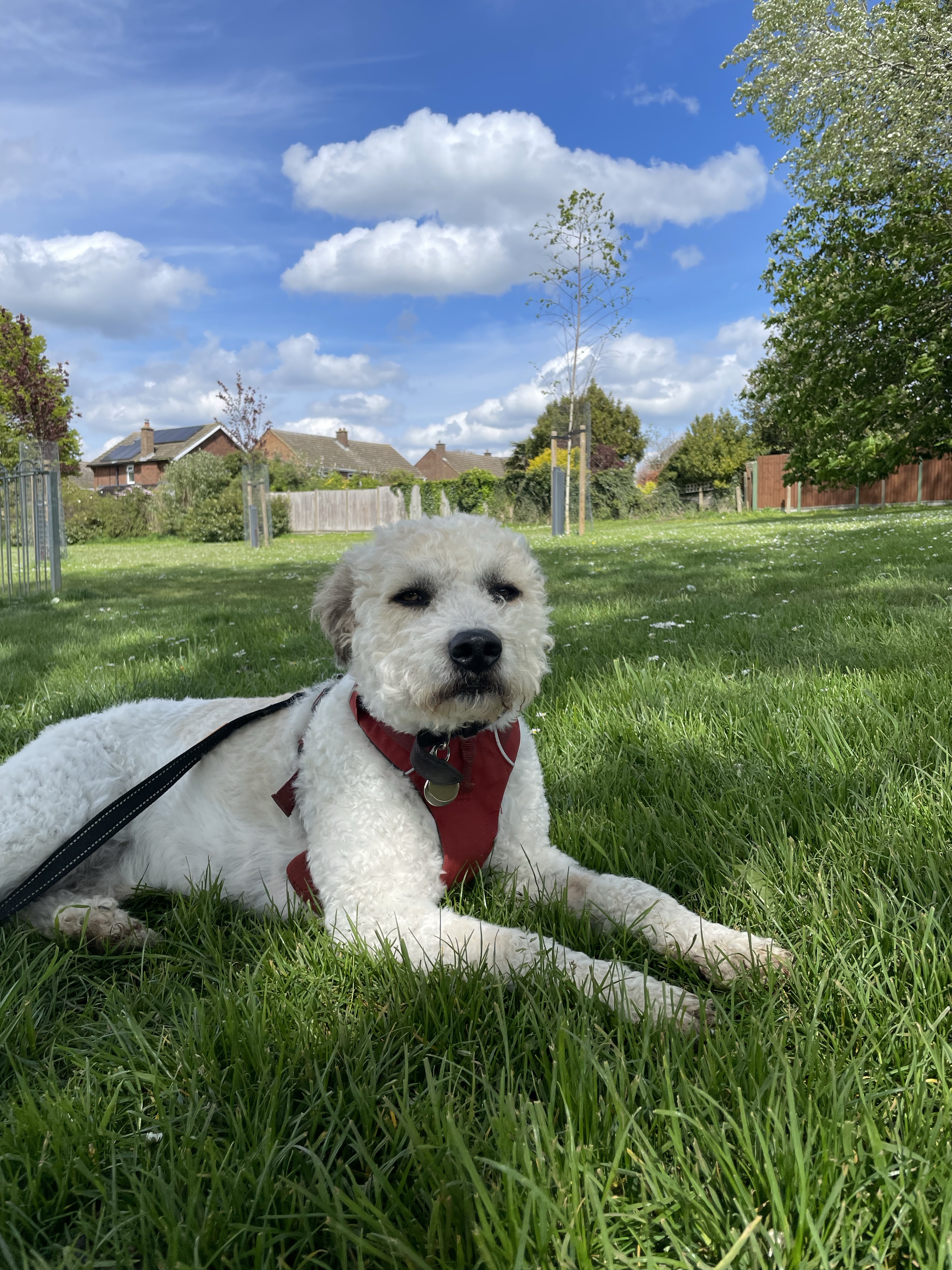
Ziggy, the Sprocker Spaniel on his walk in Lower Stondon, Bedfordshire. Bonding with Ziggy has been a beautiful experience, it is special to know so many dogs love and trust me because of the amazing connections we have built on our walks together.
Picture this: You’re out for a leisurely stroll with your dog, the sun shining, birds chirping, and a gentle breeze rustling through the trees. Sounds idyllic, right? But then, reality hits. Your dog is pulling on the lead, darting from one scent to another, leaving you feeling more like a sled dog musher than a leisurely walker. It’s a scenario familiar to many dog owners, but fear not—there’s a solution: loose lead walking. Loose lead walking is when your dog walks on a slack or loose lead, which means there is no tension in the lead. Tension creates pressure which is applied to both you and your dog when they pull. It’s uncomfortable and potentially painful, particularly if you have a strong dog. In this blog post, we’ll explore why mastering the art of loose lead walking is so important for both you and your canine companion.
Safety First: Let’s start with the most crucial aspect—safety. When your dog pulls on the lead, it’s not only uncomfortable for you but also potentially dangerous. A dog that lunges or pulls unexpectedly can catch you off balance, leading to falls or even injuries. Plus, a taut lead increases the risk of neck strain or injury for your dog. Mastering loose lead walking ensures that both you and your furry friend can enjoy walks together safely.
Communication and Bonding: Loose lead walking isn’t just about physical safety—it’s also about communication and bonding. When your dog walks politely by your side, it’s a sign of trust and respect. It shows that your dog is attuned to your movements and is willing to follow your lead. This mutual understanding strengthens the bond between you and your dog, enhancing your relationship both on and off the lead.
Mental Stimulation: Believe it or not, loose lead walking can provide valuable mental stimulation for your dog. When walking politely by your side, your dog must focus on your movements and anticipate your next steps. This mental engagement is just as important as physical exercise and can help tire out even the most energetic pup. Plus, it’s a great way to channel excess energy and prevent boredom-related behaviours at home.
Positive Social Interactions: A dog that walks calmly on a loose lead is more likely to have positive social interactions with other dogs and people. When your dog isn’t pulling or lunging, it’s easier to navigate encounters with other pets and pedestrians, reducing the likelihood of lead reactivity or aggression. This sets the stage for enjoyable outings and reinforces your dog’s good manners in various social settings.
Enjoyment for All: Last but not least, mastering loose lead walking makes walks more enjoyable for both you and your dog. Instead of feeling like a battle of wills, walks become relaxed and pleasant experiences for both of you. You can focus on enjoying the scenery, bonding with your dog, and savoring the simple pleasure of being outdoors together.
To conclude, loose lead walking is more than just a training exercise and implemented technique—it’s a vital skill that enhances safety, communication, and enjoyment for both you and your dog. By mastering the art of walking politely on a loose lead, you can create a harmonious and rewarding walking experience that strengthens your bond and enriches your shared adventures. The next time you head out for a stroll with your dog, remember to keep it loose and enjoy the journey together!
Paolo, Romanian mixed breed on his walk in Hitchin, Hertfordshire. Paolo does great loose lead walking with me on our walks, he walks politely by my side and keeps regularly checking in with me and focuses well on my movements! Check out his walking skills on our Instagram.