Tag: dog socialisation

  • Caring for Your Senior Dog: Tips for a Happy and Healthy Golden Age

    Caring for Your Senior Dog: Tips for a Happy and Healthy Golden Age

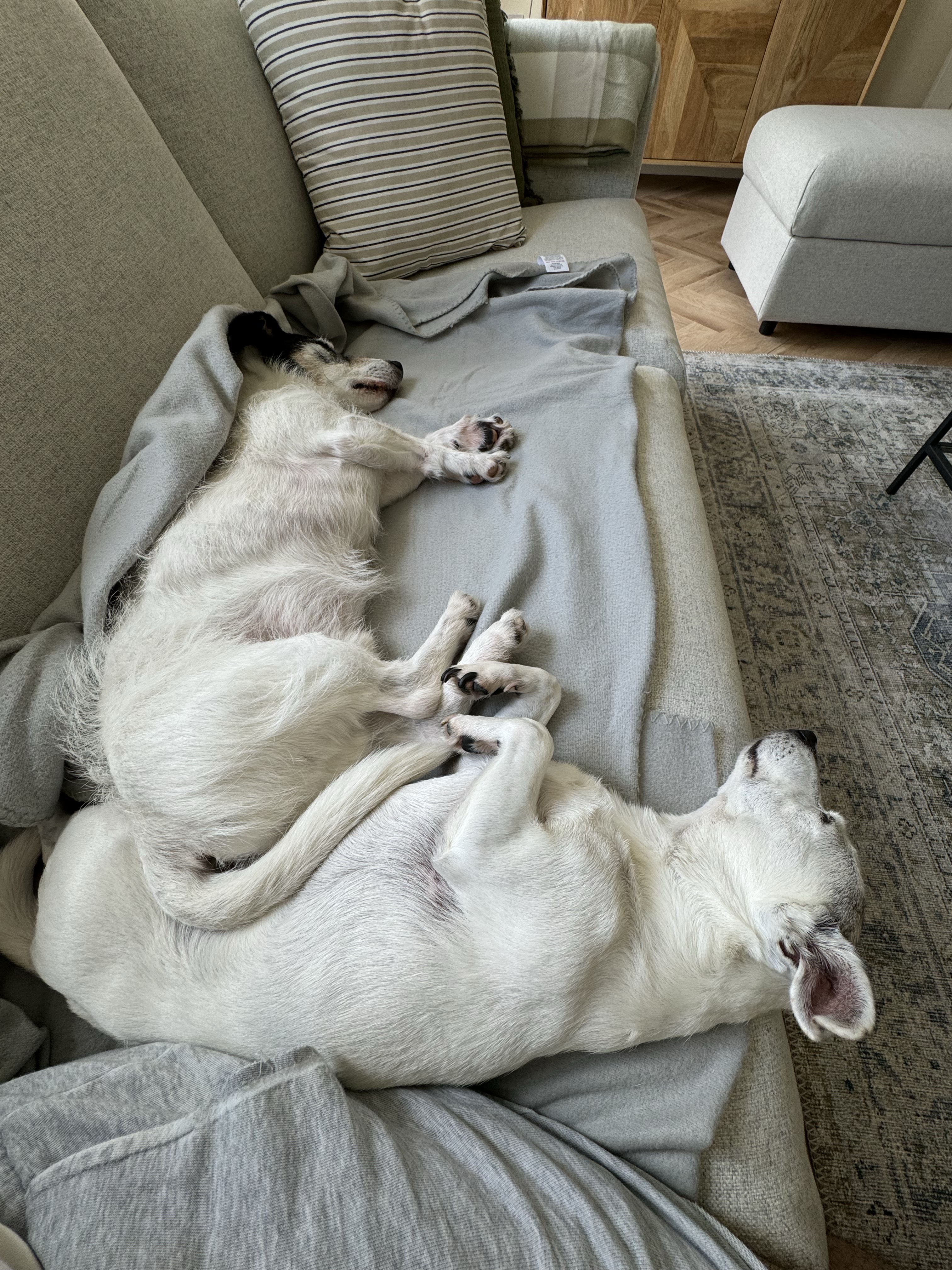
    As our beloved hounds grow older, their needs change just like ours do. Senior dogs, typically those aged seven years and older, depending on the breed, require special care to ensure they continue to live happy, healthy, and comfortable lives. In this guide, we’ll explore essential aspects of senior dog care, from diet and exercise to health check-ups and creating a comfortable environment. My dogs Millie and Max turn 13 and 12 this year, as Jack Russell Terrier’s they are now considered senior dogs.

    Regular Veterinary Check-Ups:

    Senior dogs are more prone to health issues such as arthritis, dental disease, and heart conditions. Regular veterinary check-ups, ideally every six months, can help catch and manage these conditions early. Your vet may recommend blood tests, dental exams, and other diagnostics to keep an eye on your dog’s health.

    Nutrition and Diet:

    A balanced diet is crucial for senior dogs. Look for high-quality dog food formulated for senior pets, which typically contains fewer calories, more fiber, and additional nutrients to support joint health. Consult your vet about the best diet plan, considering your dog’s specific health needs.

    Weight Management – Maintain a healthy weight to reduce strain on joints and minimize the risk of obesity-related conditions.

    Supplements – Consider adding supplements such as glucosamine, chondroitin, and omega-3 fatty acids to support joint health and reduce inflammation.

    Exercise and Mobility:

    While senior dogs may not have the same energy levels as younger ones, regular, moderate exercise is still important.

    Low-Impact Activities – Gentle walks, swimming, and light play can help maintain muscle tone and joint flexibility without overexertion.

    Adjusting Exercise Routines – Pay attention to your dog’s cues and adjust exercise routines to prevent fatigue and discomfort.

    Comfortable Living Environment:

    Creating a comfortable living space can significantly improve your senior dog’s quality of life.

    Orthopedic Beds – Provide an orthopedic bed to support aging joints and offer a comfortable place to rest.

    Easy Access – Ensure food, water, and favorite resting spots are easily accessible. Consider using ramps or steps if your dog has difficulty climbing stairs or jumping onto furniture.

    Temperature Control – Senior dogs can be more sensitive to temperature changes. Keep their environment comfortably warm in the winter and cool in the summer.

    Dental Care:

    Dental health is often overlooked but is essential for senior dogs. Poor dental hygiene can lead to painful conditions and infections that affect overall health.

    Regular Brushing – Brush your dog’s teeth regularly with a canine toothbrush and toothpaste.

    Professional Cleanings – Schedule professional dental cleanings as recommended by your vet.

    Monitoring and Managing Health Issues:

    Be vigilant for signs of common senior dog health issues.

    Arthritis – Look for signs of stiffness, limping, or difficulty moving. Consult your vet about pain management options, including medications and physical therapy.

    Cognitive Dysfunction – Watch for symptoms of canine cognitive dysfunction, such as disorientation, changes in sleep patterns, or altered interactions. There are medications and supplements that can help manage these symptoms.

    Sensory Decline – Older dogs may experience vision or hearing loss. Ensure their safety by keeping their environment consistent and using verbal cues along with hand signals.

    Mental Stimulation:

    Keeping your senior dog mentally engaged is just as important as physical activity.

    Puzzle Toys – Use puzzle toys and treat-dispensing toys to stimulate their mind.

    Training and Socialisation – Continue to engage in gentle training sessions and socialisation activities to keep their brain active.

    Grooming and Hygiene:

    Regular grooming is essential for senior dogs as their skin and coat may become drier and more prone to matting.

    Gentle Brushing – Brush your dog regularly to prevent tangles and check for skin issues.

    Bathing – Bathe your dog as needed with a gentle, moisturising shampoo.

    Nail Trimming – Keep nails trimmed to prevent overgrowth and discomfort.

    Caring for a senior dog requires attention to their changing needs, but the love and companionship they offer in return are immeasurable. By focusing on their health, comfort, and happiness, you can help your senior dog enjoy their golden years to the fullest. Always consult with your veterinarian to tailor care specifically to your dog’s individual needs. This comprehensive guide should help you address the key aspects of senior dog care, ensuring they remain happy and healthy in their later years. Enjoy your hound’s senior years and cherish everyday.

    My senior dogs, Millie turning 13 in July (bottom) and Max turning 12 in July.

  • The Social Hound: Why Your Dog Should Make Friends and How to Do It Right

    The Social Hound: Why Your Dog Should Make Friends and How to Do It Right

    Dogs thrive not just on our companionship but also on the company of their fellow canines. Socialisation and making friends is beneficial for a dog’s overall well-being, much like it is for humans. So let’s delve into why socialisation is so important for our hounds.

    Mental Stimulation: Dogs are intelligent animals that need regular mental engagement to stay happy and healthy. Social interactions with other dogs provide varied and stimulating experiences that challenge their minds. When dogs play together, they engage in behaviours that test their problem-solving skills and adaptability, preventing boredom and reducing the likelihood of destructive behaviours at home.

    Physical Exercise: Playing with other dogs is one of the best forms of exercise. Running, chasing, wrestling, and other forms of play help keep dogs fit. Regular physical activity through social play helps in maintaining a healthy weight, reducing the risk of obesity-related issues and promoting overall physical health.

    Learning Social Cues: Just like humans, dogs need to learn how to interact appropriately with others. Through regular socialisation, dogs can learn essential social cues and manners. They understand when a playmate is not interested in playing, how to greet others appropriately, and how to respect boundaries. These lessons can be crucial for preventing aggressive behaviours and ensuring safe interactions with other dogs and humans.

    Emotional Well-Being: Dogs are social animals by nature. Regular interaction with other dogs can help alleviate feelings of loneliness and separation anxiety. Having friends and engaging in social activities can make a dog feel more secure and content. The emotional benefits of having companions can lead to a happier, more well-adjusted dog.

    Improved Behaviour: Dogs that are well-socialised in the right way tend to have better overall behaviour. They are usually more confident, less fearful, and less likely to react aggressively in new situations. Socialisation done right helps dogs become well-rounded individuals who can handle the stresses and surprises of daily life with greater ease.

    Building Confidence: Interacting with different dogs and experiencing varied environments help build a dog’s confidence. A confident dog is less likely to be fearful of new experiences, which can make visits to the vet, traveling, and meeting new people less stressful for both the dog and the owner.

    Strengthening the Human-Dog Bond: When dogs are well-socialised and emotionally stable, they can focus more on building a strong bond with their owners. A happy dog is more likely to be attentive, responsive, and affectionate. This deepens the connection between you and your hound, enhancing the joy and companionship both of you experience.

    Okay, so those are the benefits, but here’s how you can socialise your dog in an appropriate way. While socialisation is beneficial, it’s important to do it correctly to avoid the development of behavioural issues. Here’s how to aid in ensuring your dog’s socialisation is positive and effective.

    Start Early (if you can): Begin socialising your dog at a young age. Puppies are generally more adaptable and open to new experiences. Enroll them in puppy classes where they can interact with other young dogs in a controlled and supervised environment.

    Use Gradual Introductions (essential!!): Introduce your dog to new environments, people, and other dogs gradually. Avoid overwhelming them with too many new experiences at once. Start with quiet, controlled settings and gradually increase the level of activity and the number of new elements.

    Positive Reinforcement: Use positive reinforcement techniques to reward good behaviour during social interactions. Treats, praise, and affection can help your dog associate socialising with positive outcomes. Avoid punishment, as it can create negative associations and increase anxiety.

    Watch for Stress Signals (crucial): Pay attention to your dog’s body language and behaviour. Signs of stress or fear, such as trembling, hiding, or excessive barking, indicate that your dog may need a break. Respect their limits and provide a safe space for them to retreat to if they feel overwhelmed. Ps. There’s more about decoding dog body language on our blog.

    Supervised Play: Ensure that play sessions with other dogs are supervised. Intervene if play becomes too rough or if there are signs of aggression. Teaching your dog how to play nicely with others helps prevent the development of aggressive behaviours.

    Variety is Key (in some ways): Expose your dog to a variety of experiences, including different people, places, and dogs, but try not to change all these things at once to begin with. Allow these experiences to be exciting, without being massively overwhelming to your dog. This helps them become well-rounded and adaptable in the future, when they get used to variety in small increments at first. Always ensure these experiences are positive and controlled to prevent fear or aggression.

    Professional Guidance: If you’re unsure about how to properly socialise your dog or if your dog shows signs of fear or aggression, seek professional help. A certified dog trainer or a behaviourist can provide guidance and support tailored to your dog’s specific needs.

    Socialisation shouldn’t just be a luxury for dogs; it should be a necessity. Give your dog the opportunity to interact with other dogs and form friendships. It contributes significantly to their physical, mental, and emotional health, leading to a happier and more harmonious life for you and your hound. By socialising your dog in the right way, you can help them develop into a confident, well-behaved, and happy companion. So, let your dog mingle, play and enjoy the company of their friends. Book them into group walks with a dog walker or meet up with a fellow dog owner for a play date, it’s one of the best gifts you can give them.

    Harley & Jess the Labradors and Benji the Cavapoo are always so happy to see each other when they get together bi-weekly for their group walk. They are all from one dog households, so get to enjoy the companionship of other dogs on their walks with us regularly.